

Insights
Market research and investor education from the team building multifamily housing across Ohio.
What we are reading, measuring, and building
No articles match that. Try a broader term, or browse the full list by clearing the field.
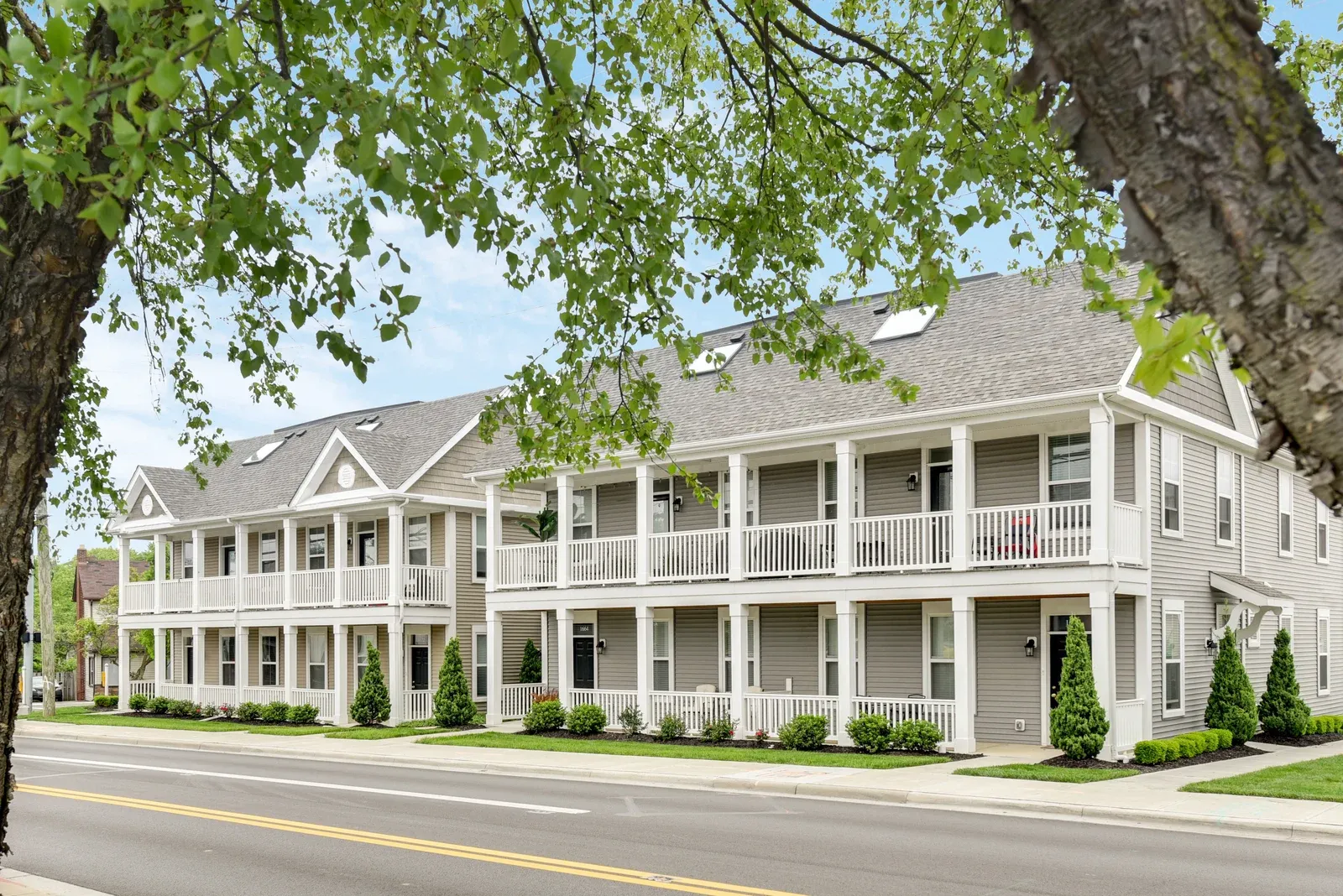
How to read the K-1 from a real estate partnership
A line-by-line read: box 1 versus box 2, Item L, box 19 distributions, the box 20 codes, and the state filing an Ohio project creates.
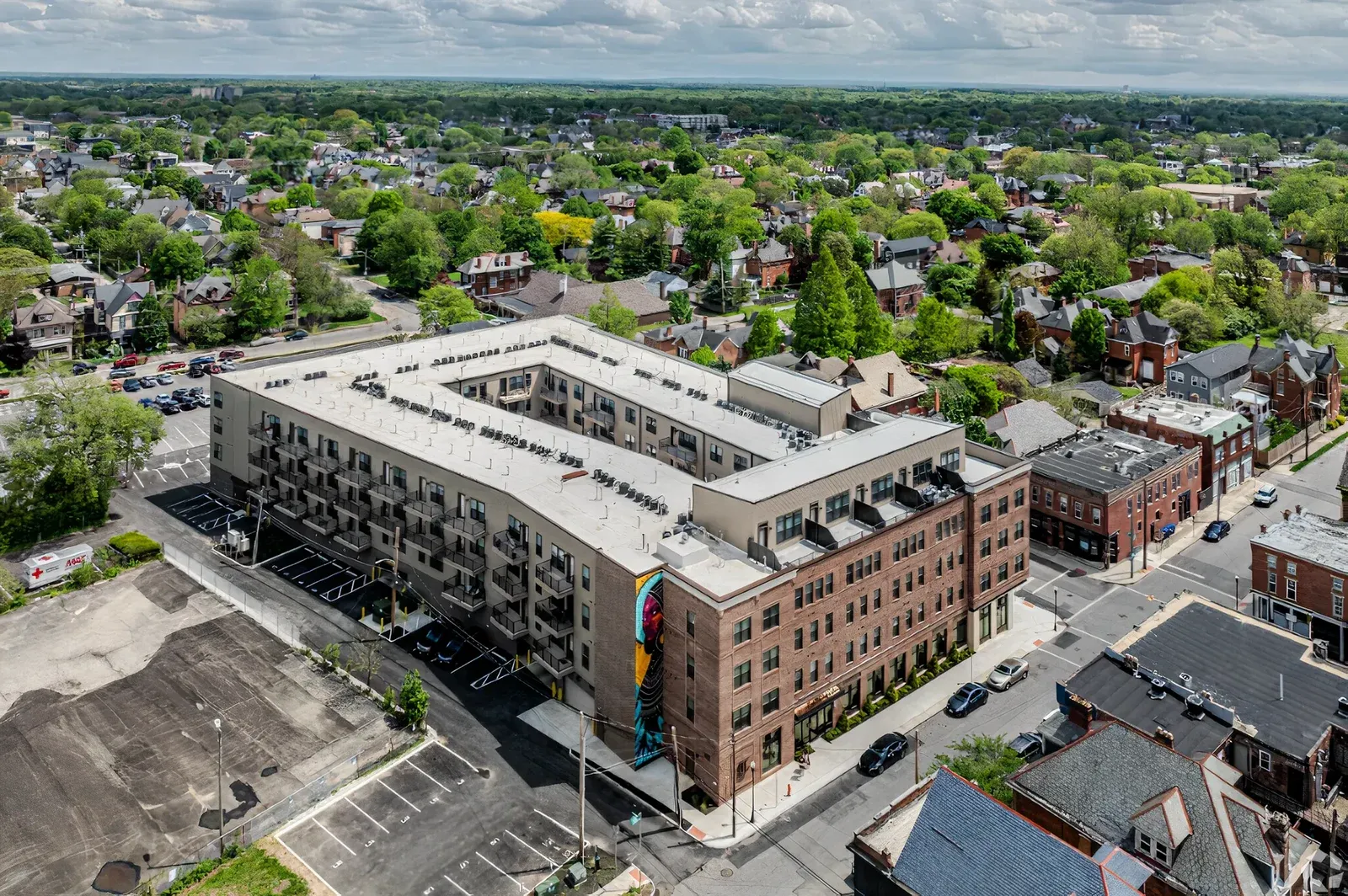
What a cost segregation study does on a new apartment building
What a cost segregation study is, who performs one, and why the component detail is finer on a building somebody has just finished constructing.

The exit year: depreciation recapture on a rental property sale
Depreciation recapture at the exit: the order the numbers run in when an apartment sells, and why the tax can exceed the cash you receive.
A 1031 exchange, or paying the tax and investing the net
A 1031 defers tax on a property sale, and a fund or LLC interest is not like-kind property. The structures that take exchange money, and paying it instead.
How a multifamily site gets chosen, parcel by parcel
Multifamily site selection at the parcel level: sewer, grade, access, floodplain and geometry, then the arithmetic that rules out most of what is left.
Ground-up development vs value-add real estate, compared
Where the return comes from, what risk each carries, when cash flow starts, and what the debt looks like in a ground-up deal versus a value-add buy.
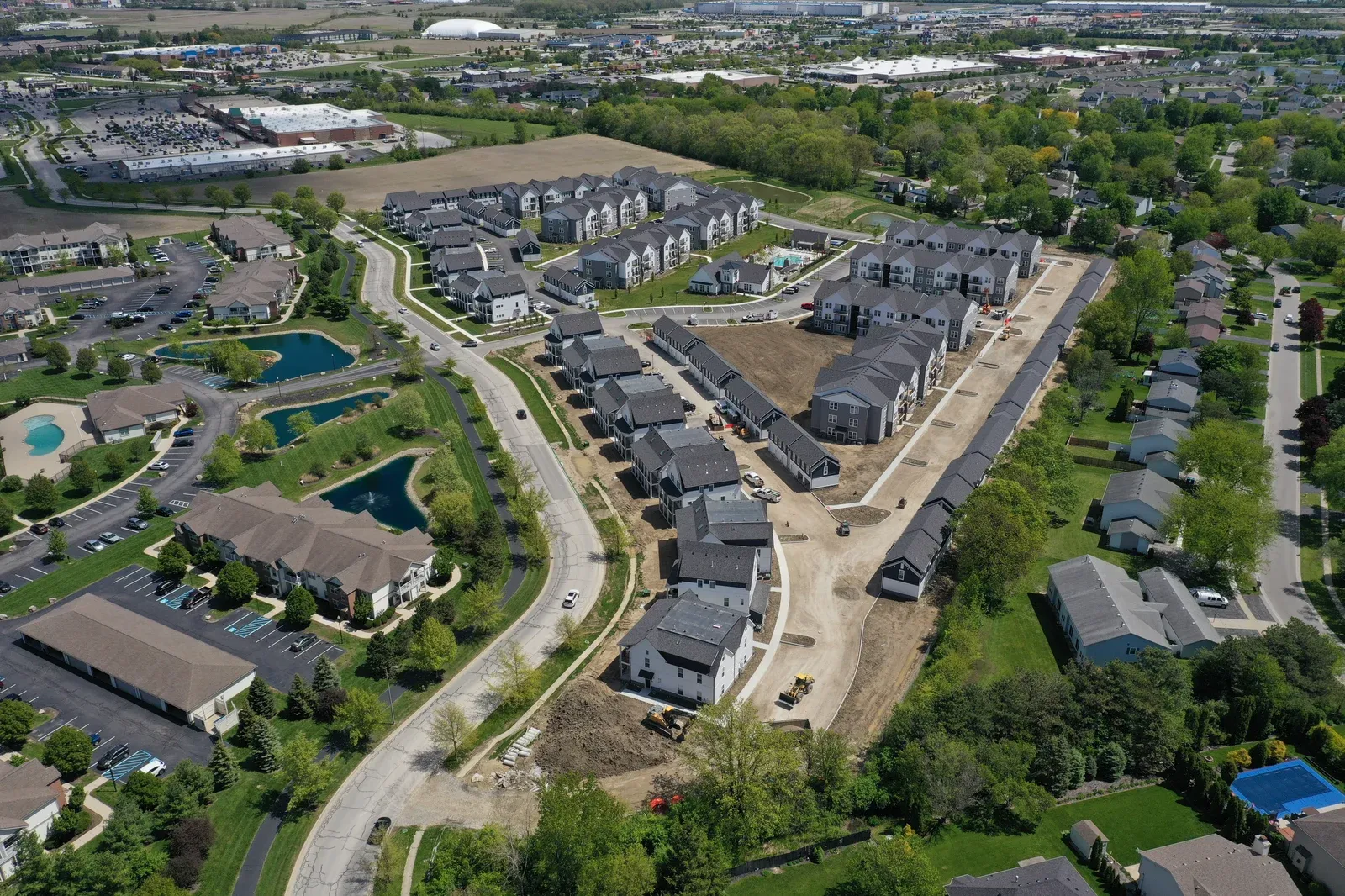
A rental property versus a real estate fund: what you take on
Owning the building yourself means the loan, the recourse guaranty, the tenants and the control. A fund interest means none of it, and no way out early.
How to read a private placement memorandum, part by part
How a private placement memorandum is organised, what each section is for, and how to read the risk factors, the use of proceeds and the supplements.

How the apartment lease-up period works, and what it depends on
The apartment lease-up period in sequence: pre-leasing, the model apartment, leased versus occupied versus paying, concessions, and the construction handover.

The three paths to apartment zoning approval in Ohio
As-of-right, a rezoning, and a planned district are three different risks, not three names, and each one puts something else in the path.
Self-performing construction in multifamily: who prices the risk
Where construction risk sits in a development deal: buyout, contract form, contingency, change orders, retainage, bonding and the warranty year.
Real estate crowdfunding versus a direct sponsor investment
A platform and a sponsor raising directly can offer the same building. Which entity you are admitted to, and what a feeder changes about your rights.

What a build-to-rent community is, and what it changes
Homes built at one time and run as a single managed community: what that changes in construction, in operations, and for an investor.

Ground-floor retail in a mixed-use apartment development
How a commercial ground floor changes an apartment development: the structure above it, the loan behind it, and why the retail income arrives last.
How investing in a private real estate fund actually works
What a sponsor asks for, how accreditation is verified, when the money actually moves, and what you hold once the wire has gone out.
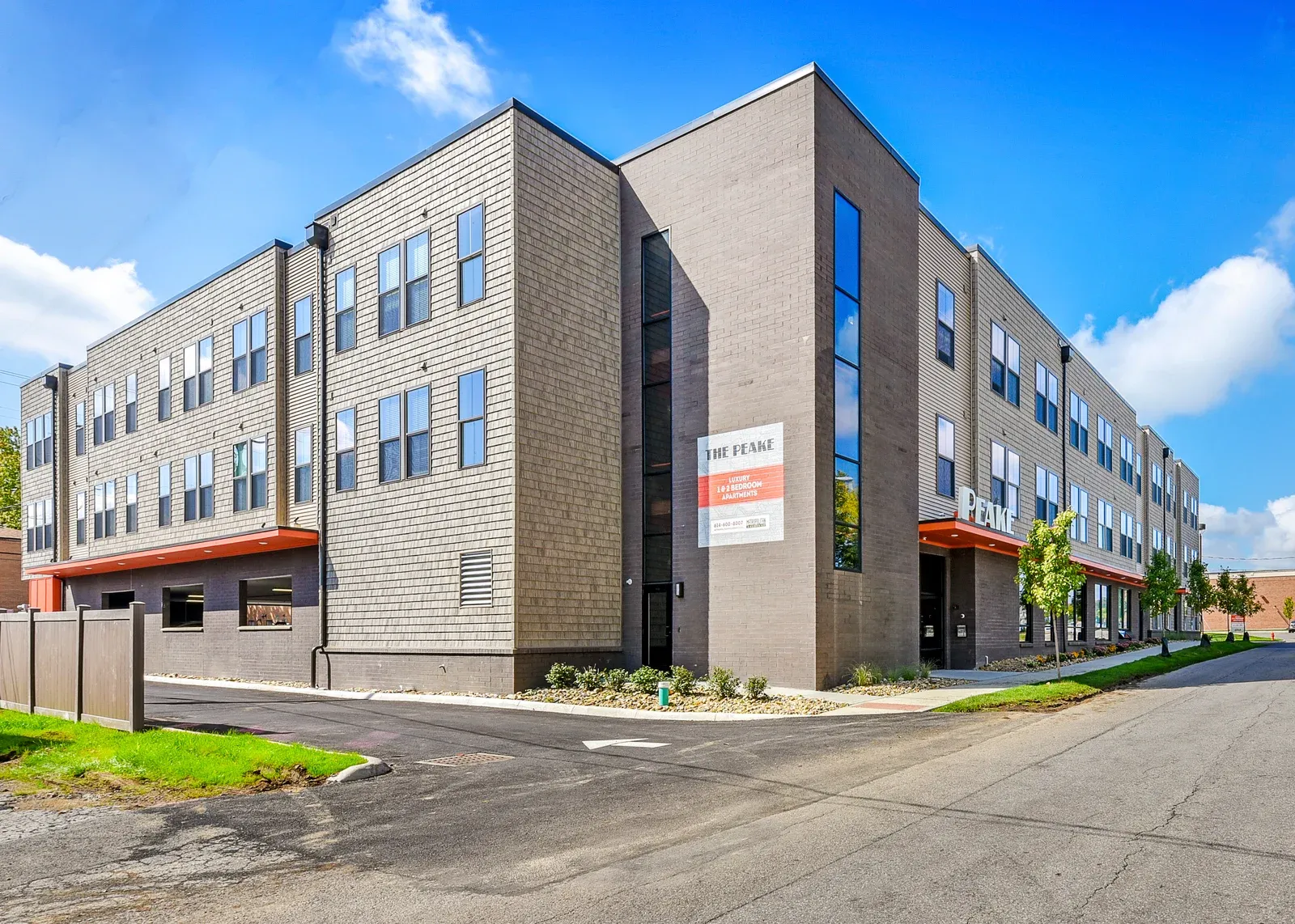
Private real estate vs REITs, and what you actually own
A listed REIT is a security repriced every day. A private interest is a share of one partnership that owns identified buildings.
A real estate fund versus a single-property syndication
A fund and a single-property syndication differ in who picks the assets. What closed-ended means, what a blind pool is, and what to ask before committing.
A real estate debt fund and an equity fund, compared
A real estate debt fund lends to a project; an equity fund owns a share of it. What each position buys, and what actually decides between them.
How a multifamily development deal works, stage by stage
The stages a ground-up multifamily development runs through, in order, from site control and entitlement to construction, lease-up, and exit.

What vertical integration means for a development investor
What vertical integration actually changes during construction and lease-up, and the conflict the structure creates.
Why a multifamily developer builds in six Ohio markets
What entry basis, local entitlement, and a short drive to every site mean for a developer deciding which Ohio markets to build in.
What is a preferred return in real estate, and what it is not
A preferred return is a priority in the payment queue, not a coupon. What accrual means, where it sits in a waterfall, and what it does not do.
Fees in a private real estate deal: where the money goes
The fee lines in a private placement, in the order the money is taken: acquisition, development, construction, management, and the promote.
When development capital comes back in a private real estate fund
Development capital goes out at closing and comes back in stages. The sequence those stages run in, and what makes a hold run longer than the target.
Illiquidity and hold periods in a private real estate fund
Why private real estate is illiquid, what a targeted hold period actually commits you to, and what happens if your circumstances change.
Why a real estate loss usually cannot offset W-2 income
The passive activity rules decide whether a K-1 loss can reach your W-2 salary. Usually it cannot. What it can offset, and what happens to the rest.
Holding private real estate inside a self-directed IRA
A self-directed IRA can hold a private real estate interest. The depreciation that makes a development deal distinctive cannot be used inside one.
What happens when a multifamily development deal goes wrong
Cost, schedule, lease-up, and the refinancing window: how the downside case in a multifamily development unfolds, and what an investor experiences.

A guide to investing in Ohio multifamily real estate
How multifamily development investing works in Ohio — the markets, the two ways capital participates, what actually drives the outcome, and who can invest.
Why new development produces large paper losses in its first years
Depreciation, cost segregation, and the passive activity rules explain why a profitable building can report a loss on your K-1 for years.
Disclaimer: This article is general information, not investment, tax, or legal advice, and not an offer to sell or a solicitation of an offer to buy any security. Any offering is made only through the relevant fund’s offering documents, to accredited investors. Private real estate is illiquid and speculative, and investors may lose some or all of their capital. Tax outcomes depend on facts specific to each investor, and tax law changes. Consult your own CPA and counsel.
Get what we send partners
How development deals are structured, what we are seeing in Ohio submarkets, and what we are building. No offering material.