
For investment advisors
Ohio multifamily, for advisors and their clients
Direct exposure to multifamily real estate from a sponsor that develops, builds, and manages what it owns — with the document trail your diligence process expects.
Open offerings
Two ways to invest alongside us
Explore our income and equity strategies to meet your clients’ needs.
Current income
Income Fund 2
Lends to the communities and pays interest while the loans are outstanding.
- Offering type
- Real estate debt fund
- Fund size
- Targeting $10M – $15M
- Minimum investment
- $100,000
- Eligibility
- Accredited investors
- Structure
- Closed-ended
- Preferred return
- 8.5% – 10%
- Targeted fund return
- Interest at the preferred return
- Targeted equity multiple
- Not applicable
- Targeted hold period
- Three years, extendable to five
- Liquidity
- Illiquid
Growth
Equity Fund 2
Takes ownership in the communities and participates in the outcome.
- Offering type
- Real estate equity fund
- Fund size
- Targeting $25M – $35M
- Minimum investment
- $100,000
- Eligibility
- Accredited investors
- Structure
- Closed-ended
- Preferred return
- 8% – 10%
- Targeted fund return
- 16% – 20% IRR
- Targeted equity multiple
- 1.5x – 2.5x
- Targeted hold period
- Three to twelve years per project
- Liquidity
- Illiquid
Targets are targets, not guarantees, and no specific return is promised. A preferred return is an accrual payable from available cash flow after debt service and reserves, banded by commitment size. These terms are summarised from each fund’s offering documents dated 12 December 2025 and are qualified in their entirety by those documents.
New to the asset class? Read the guide to investing in Ohio multifamily real estate, see the communities we have built, or go to the investor page.
Why advisors work with us
A sponsor that owns every step
One team from land to lease-up
Development, construction, property management, and asset management all sit in house. The people who underwrite a community are the people who build it and then operate it, so there is no handoff between a sponsor and a third-party operator for a problem to fall through.
A record you can examine
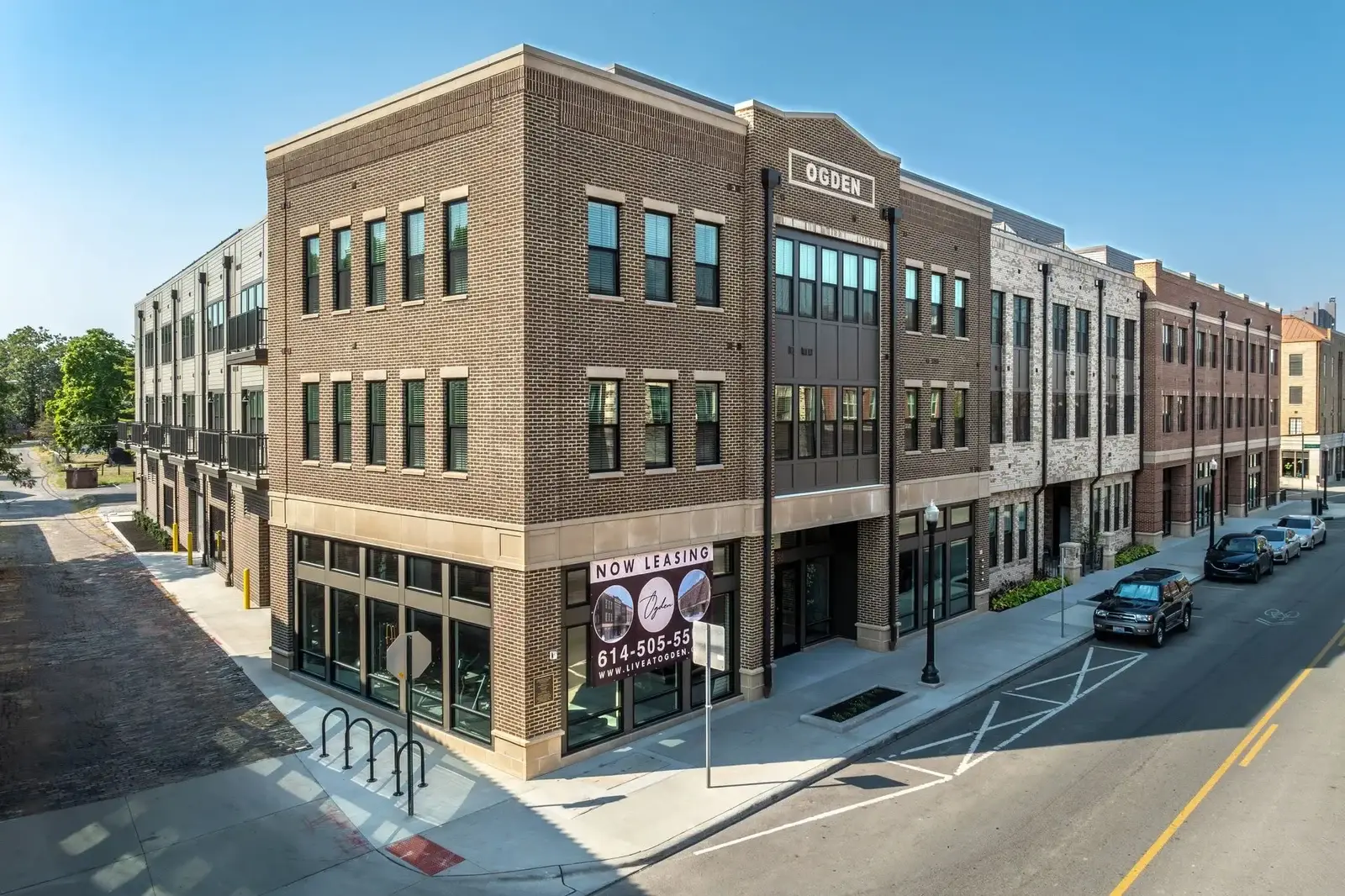
Over $800M of multifamily developed across six Ohio markets since 1998. Rather than publish a headline return, we walk your diligence team through the sponsor track record directly — every asset acquired since inception, realized and unrealized, with the underlying detail behind it.
Reporting your compliance team can file
Client positions are held in our partner portal with capital account statements, distribution history, and quarterly reporting. Statements can be handed to a client or filed with a custodian without being rebuilt by hand.
The firm behind the offerings
- 1998
- Founded in Columbus
- Year Metropolitan Holdings was founded, by Matthew R. Vekasy.
- $800M+
- Multifamily developed
- Gross value of multifamily assets developed since 1998. A measure of development volume, not of investor return.
- 2,000+
- Units under management
- Apartment homes currently managed in the Columbus, Cincinnati, Dayton, and Akron markets.
- 60+
- People on the team
- Employees across development, construction, management, and investment.
Figures as published by Metropolitan Holdings, current as of August 2026.
Performance figures, in conversation
Net IRR, equity multiple, hold periods, and distribution history are performance information. We take advisors and compliance teams through them directly rather than publishing them — covering every multifamily asset acquired since 1998, realized and unrealized, on one basis.
Schedule a callWhy Metropolitan
What we bring
Ohio focus
Six markets within a few hours of each other — Columbus, Cincinnati, Dayton, Akron, Cleveland, and Toledo — so the same development and construction leadership can stand on every site.
Vertical integration
Development, construction, property management, and asset management sit under one roof. The people who underwrite a community build it and then operate it.
Local experts
Nearly thirty years in these markets, and the relationships with land owners, municipalities, and trades that decide whether a site is worth pursuing and whether it gets entitled on schedule.
The strategy
Why multifamily, and why Ohio
Why multifamily
- Housing is not discretionary
- Demand for a place to live persists through the cycle in a way that demand for office space or retail frontage does not. That does not make an apartment building safe — it makes the demand side legible.
- Leases reprice quickly
- Residential leases typically run a year, so rents can be reset to the market far more often than under a long commercial lease. That cuts both ways: it is what lets income keep pace with inflation, and it is also what exposes the asset when a submarket softens.
- Ground-up, not repositioning
- Our communities are new Class A construction rather than value-add acquisitions of older stock. That trades renovation risk for construction and lease-up risk, which is the risk this team is built to carry.
Why Ohio
- Six markets, one team
- Columbus, Cincinnati, Dayton, Akron, Cleveland, and Toledo. Close enough that the same development and construction leadership can stand on every site, which is not true of a sponsor operating across several states.
- Local sourcing
- Nearly thirty years in these markets means relationships with the land owners, municipalities, and trades that determine whether a site is worth pursuing and whether it gets entitled on schedule.
- Entry basis
- Land and construction costs in these markets sit below the coastal metros. That affects the basis a community is built at, though it does not by itself determine the outcome.
Ready to get started?
We work with a small number of advisory firms at a time. Tell us what you are evaluating and we will put you with whoever can answer it.
Tell us what you are evaluating

Our Team

Ben Cotton
Vice President, Capital Markets

Caden Orewiler
Associate of Investor Relations
Important information
This page is information about Metropolitan Holdings as a firm. It is not an offer to sell or a solicitation of an offer to buy any security, and it is not investment, legal, or tax advice. Any offer is made only through the relevant fund’s offering documents, to accredited investors as defined in Regulation D under the Securities Act of 1933.
Private real estate investments are illiquid and speculative. Distributions are not guaranteed, may be reduced or suspended, and investors may lose some or all of their capital. A preferred return is an accrual payable from available cash flow after debt service and reserves — it is not a guarantee of payment. Past results do not predict future results.
Figures describing the firm’s operations are stated on the basis given in the notes beside them.